DIF Network at Ecomondo 2026: A Discussion on Last-Mile Delivery and Urban Logistics
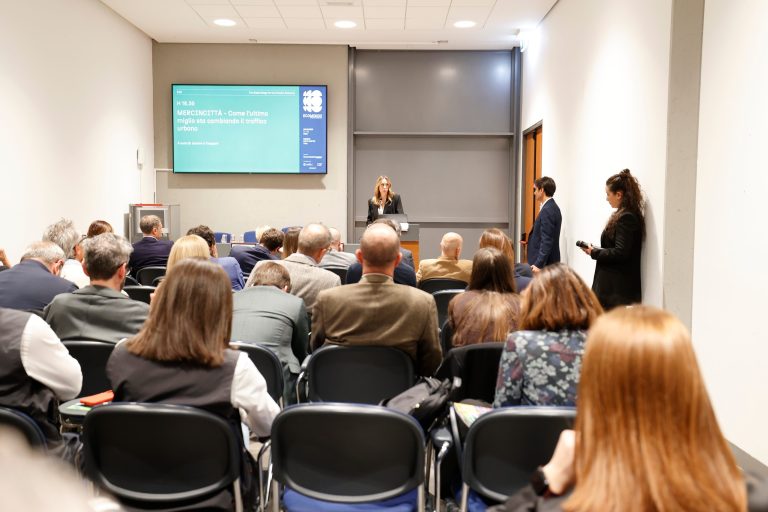
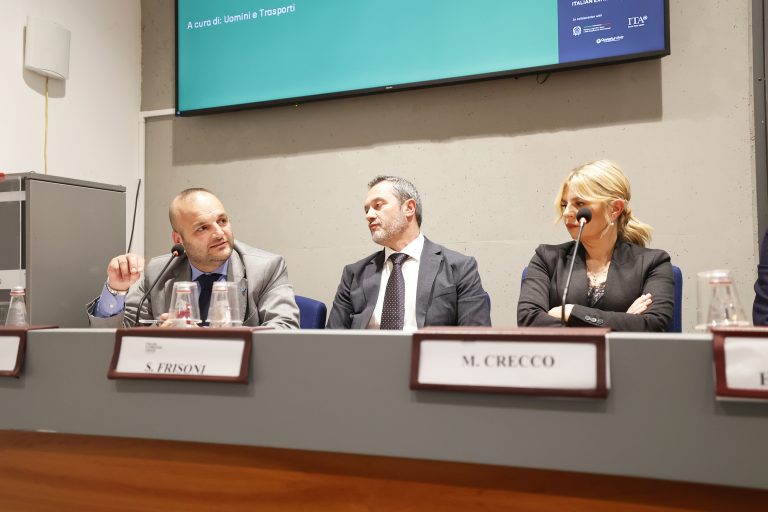
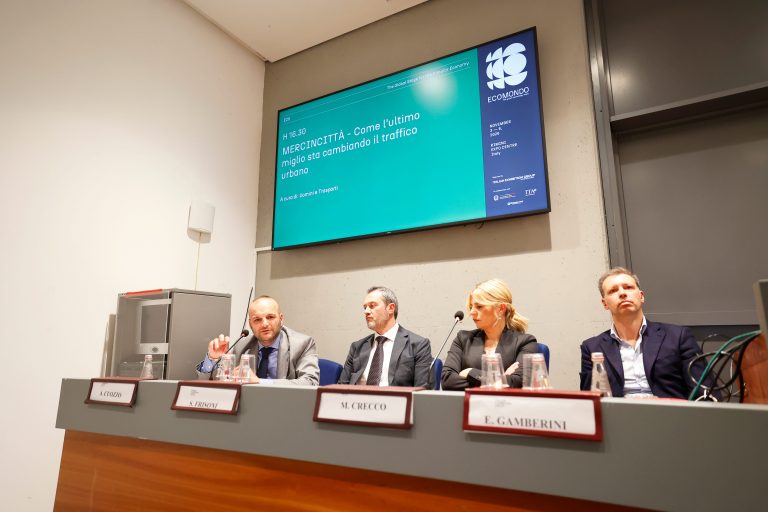
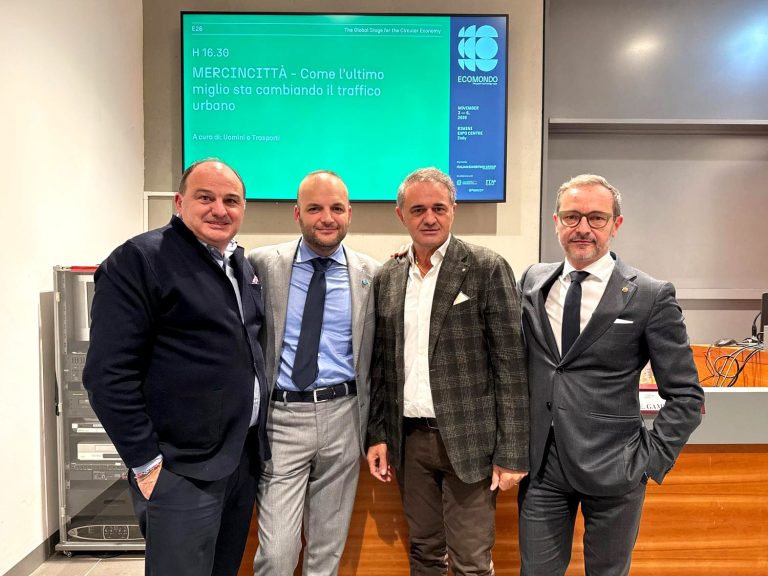
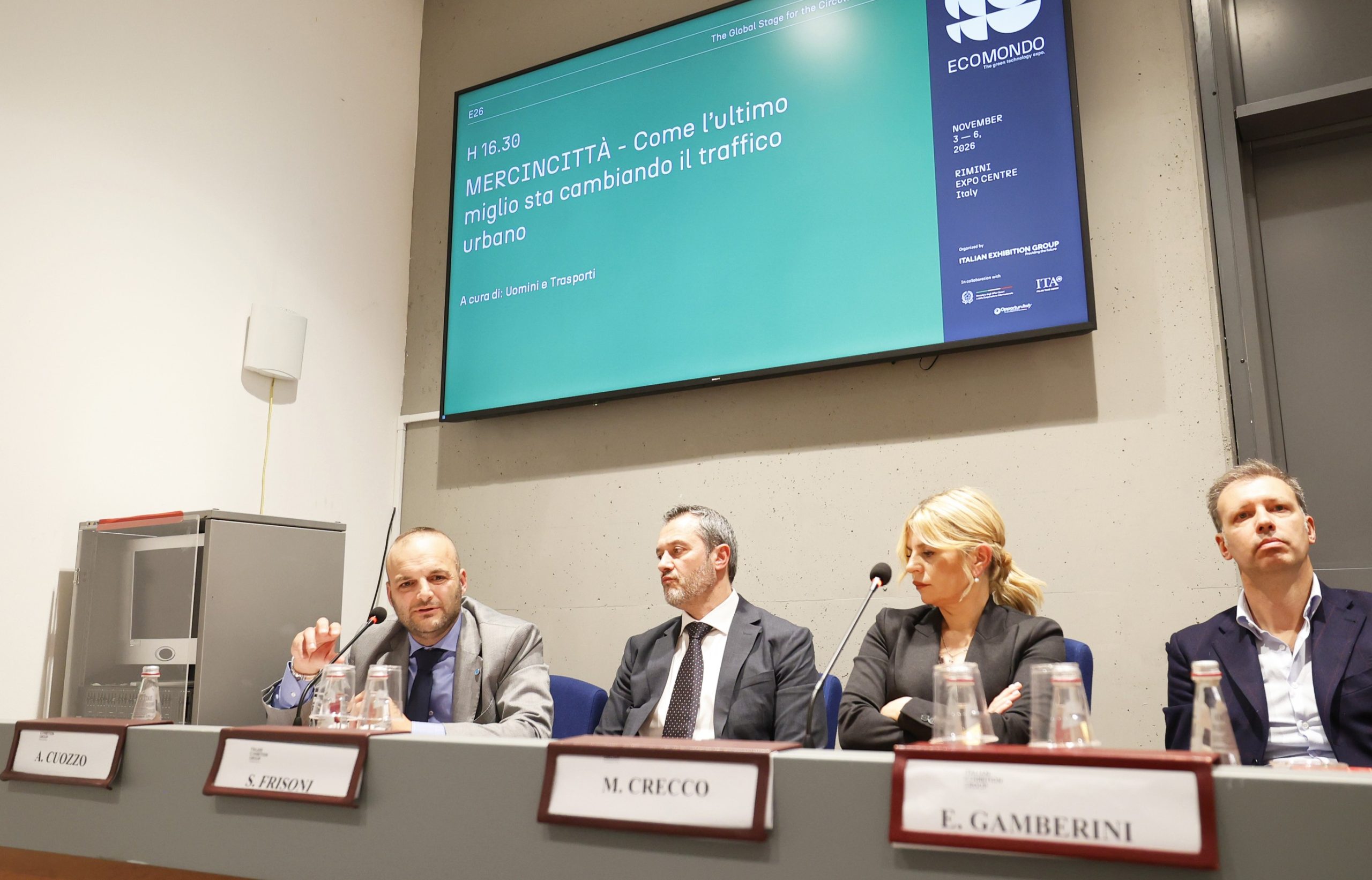
Antonio Cuozzo, DIF Director, took part in the Mercincittà roundtable, an initiative by Uomini e Trasporti focusing on the evolution of urban freight distribution.
Last-mile efficiency depends not only on what happens within cities, but also on how logistics flows are organised across the entire distribution supply chain.
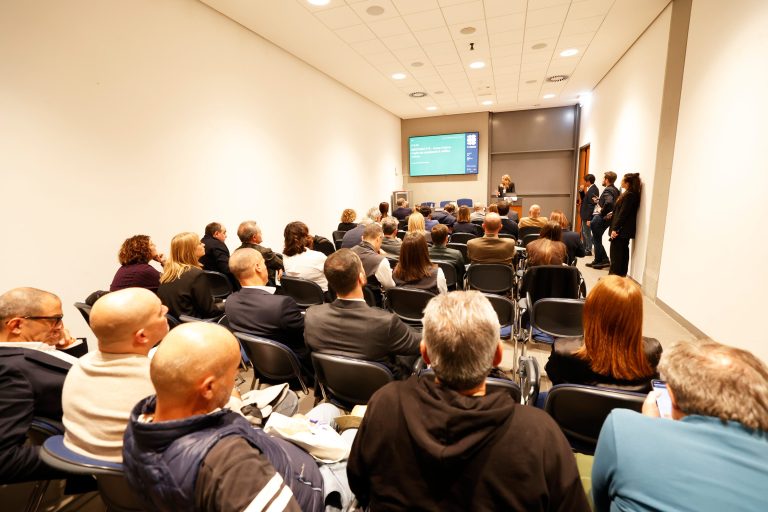
This was one of the key perspectives shared by DIF Distribuzione Italiana Food during the discussion on urban logistics and last-mile delivery held on 3 November 2026 at Ecomondo, at the Fiera di Rimini.
The event marked the presentation of “Mercincittà – How Last-Mile Delivery Is Reshaping Urban Traffic”, the latest volume in the 100 Numeri series by Uomini e Trasporti. The discussion explored ongoing changes in the sector, operational challenges and potential organisational solutions.
Freight Distribution at the Centre of the Debate
Urban logistics must balance increasingly complex demands: accessibility in urban areas, continuity of supply, delivery efficiency and sustainability across distribution operations. Achieving this balance is particularly challenging in the face of traffic restrictions, limited loading and unloading spaces, and regulations that vary from one area to another.
The Mercincittà publication explores these dynamics through data, analysis and scenarios relating to the last-mile delivery market. Its scope extends beyond e-commerce to include the logistics flows required to supply businesses, retailers, restaurants and points of sale.
The presentation provided an opportunity to exchange perspectives and experiences, exploring the role of infrastructure, information sharing and organisational decisions in shaping the future of urban freight distribution.
DIF's Contribution: The Food Distribution Perspective
Antonio Cuozzo, Director of DIF Distribuzione Italiana Food, took part in the roundtable discussion, sharing the experience of an Italian network specialising in the B2B distribution of food & beverage products.
In food logistics, urban delivery is the final stage of a process that requires operational continuity, appropriate transport conditions, traceability and protection of product integrity. Service quality therefore also depends on the activities preceding the last mile: from goods collection and transit management to the coordination of deliveries across local territories. This integration is the foundation of the DIF collaborative logistics model.
By coordinating hubs, transit points and specialised partner companies, the Network brings together infrastructure, local expertise and shared procedures to organise food distribution nationwide.
This approach combines in-depth local knowledge, which helps address specific territorial requirements, with network-wide coordination that supports the continuity of logistics flows and visibility across the various stages of distribution. For food producers, this means relying on an organised distribution system that accompanies their products through to their final destination. For transport companies within the Network, it means leveraging their specialist expertise as part of a shared operating model.
The Value of Exchanging Perspectives Across Expertise and Distribution Models
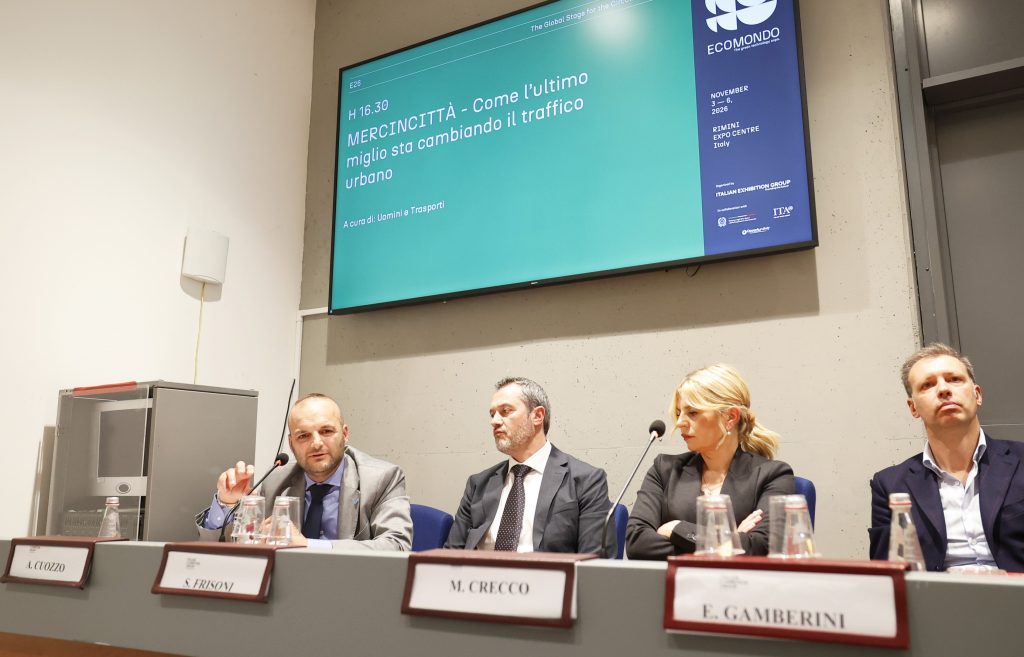
The meeting, held in Hall A7, Sala Abete, brought together representatives from different areas of the logistics supply chain.
Alongside Antonio Cuozzo, the discussion featured Lucia Pera from InfoCamere, Michela Crecco from ANIS, Stefano Frisoni from FS Logistix and Edoardo Gamberini from Maxus Italy.
Their different perspectives reflected the many dimensions of urban logistics: from data analysis to transport organisation, from infrastructure to freight mobility solutions.
For DIF, events like this provide an opportunity to contribute to industry discussions and share an approach based on collaboration between companies and the value of local expertise.
The evolution of last-mile delivery requires a supply chain-wide perspective: solutions implemented in urban areas must be aligned with the logistics operations that precede them.
This principle is embedded in the DIF distribution model, highlighting the importance of collaboration between specialised companies, local expertise and operational coordination.
We thank Uomini e Trasporti for the invitation and for bringing together different stakeholders for an open discussion on urban logistics.
With Uomini e Trasporti at Ecomondo 2026: Highlights from the Last-Mile Logistics Discussion