DIF at Transport Connect 2026: Building a Stronger Network for More Efficient Last-Mile Delivery
DIF took part in the first edition of Transport Connect, bringing a key issue for food distribution to the forefront of the discussion: last-mile efficiency depends not only on transport capacity, but also on how effectively businesses, local territories, infrastructure and information flows work together.
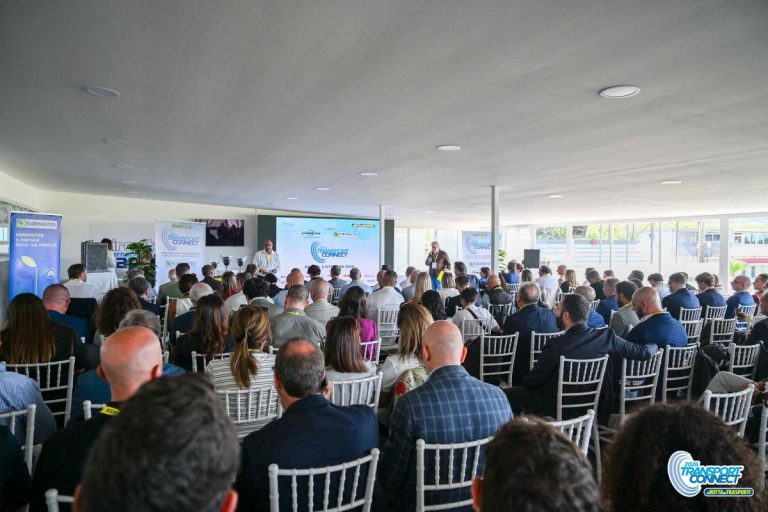
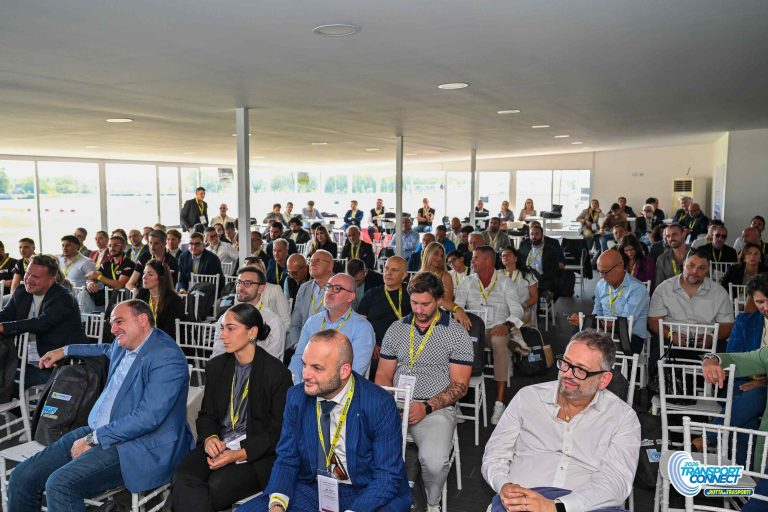
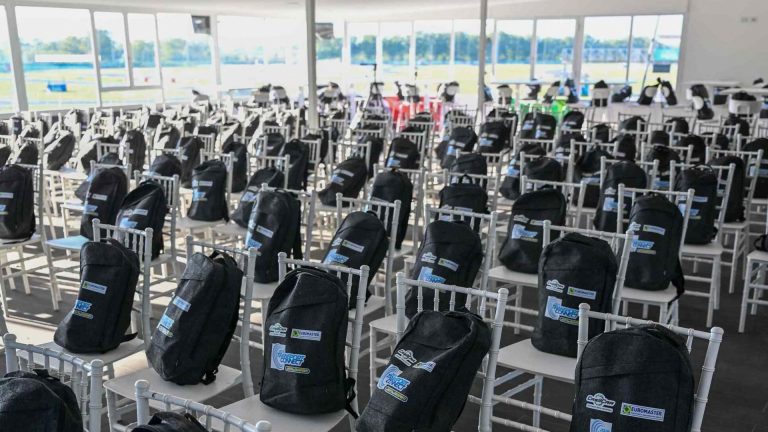
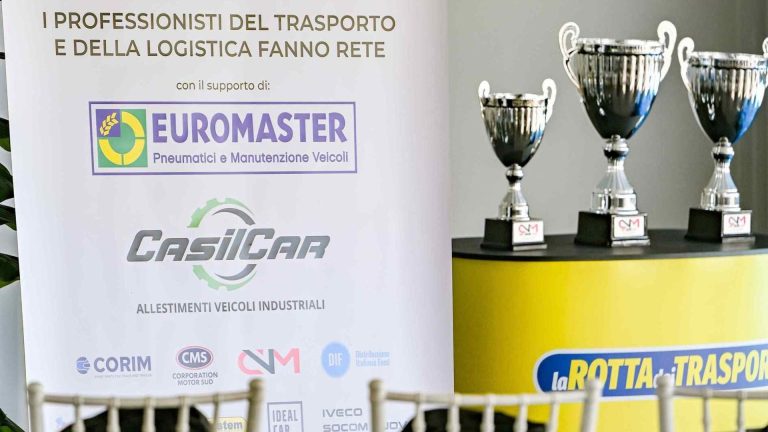
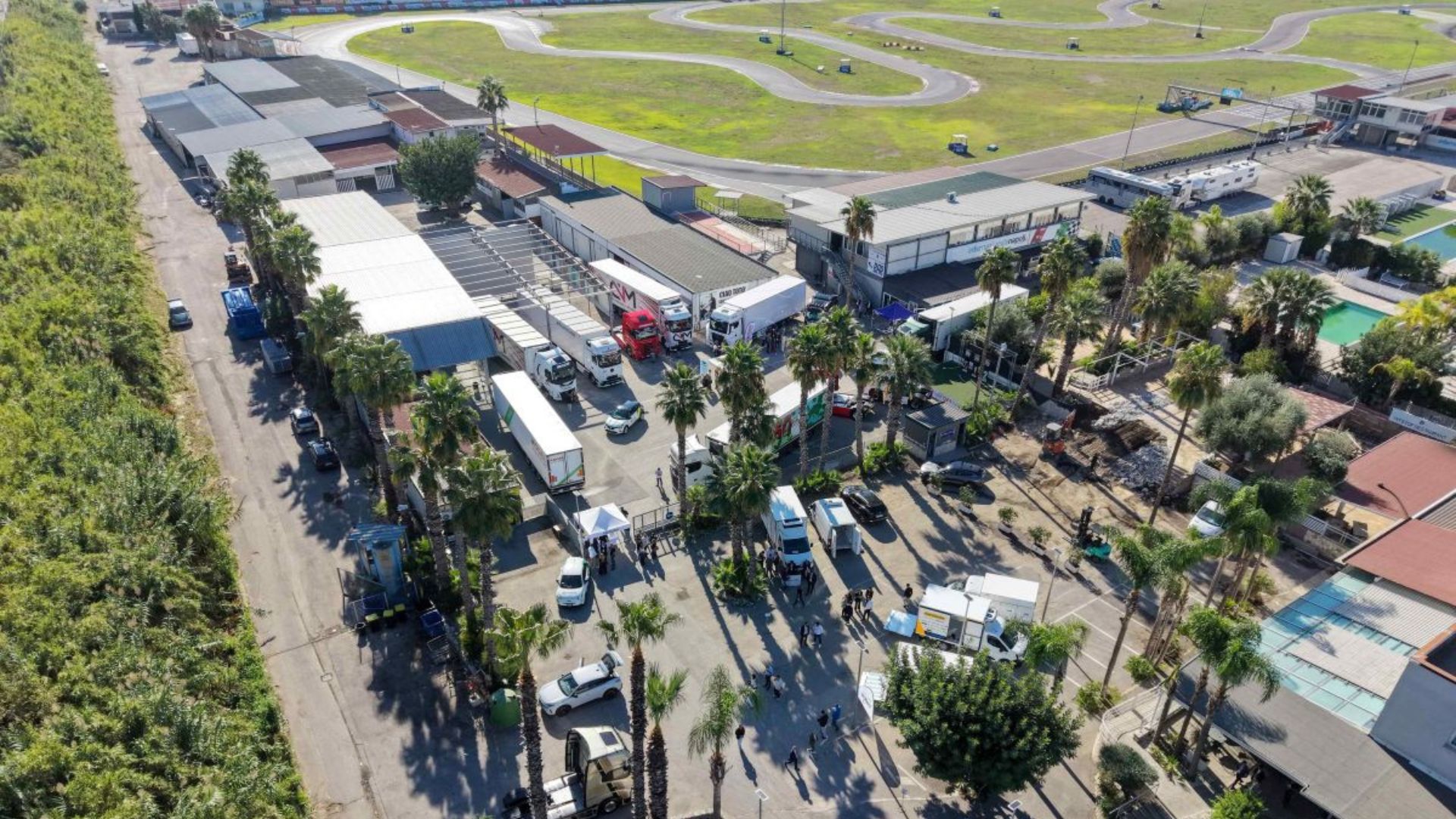
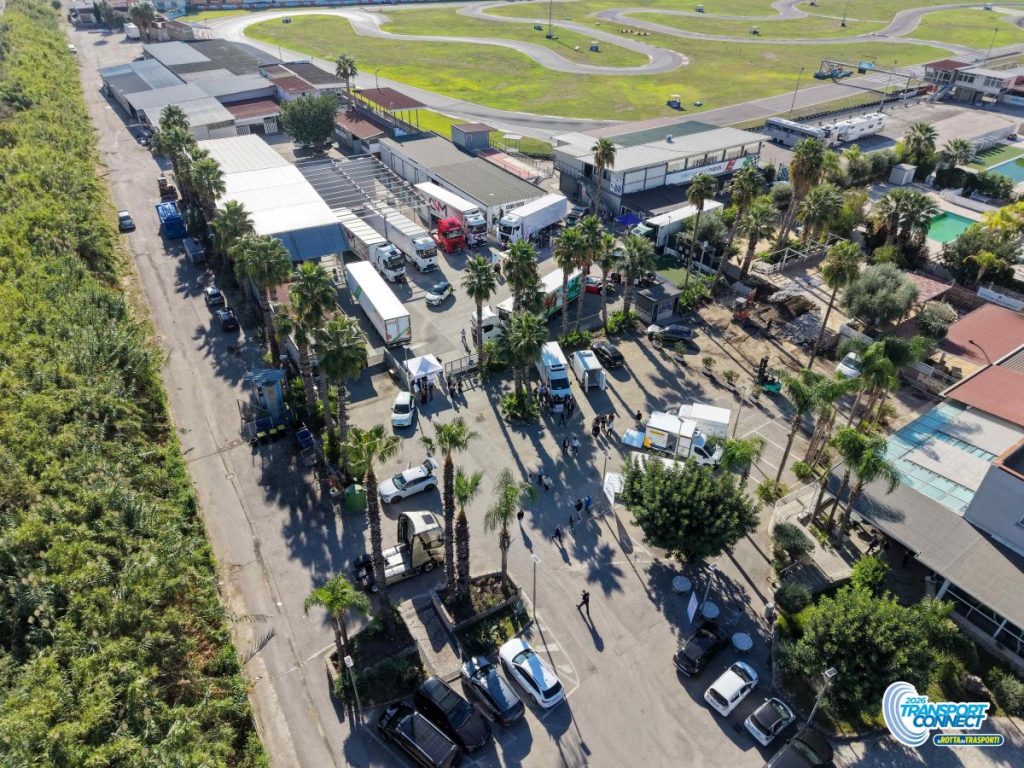
On 2 October 2026, DIF – Distribuzione Italiana Food participated in the first edition of Transport Connect, an event dedicated to transport and logistics professionals, organised by La Rotta dei Trasporti and Media Pubblica at the Circuito Internazionale Napoli.
The event brought together companies and industry professionals to discuss some of the most pressing challenges facing today’s supply chain: temperature-controlled transport, distribution, last-mile delivery and the importance of network collaboration.
In the food sector, the last mile is one of the most critical stages of the distribution process. Delivery destinations, operational variability and logistics touchpoints are increasing, while the need to ensure continuity, control and product integrity remains unchanged.
From Temperature-Controlled Transport to Last-Mile Delivery: Key Topics at Transport Connect
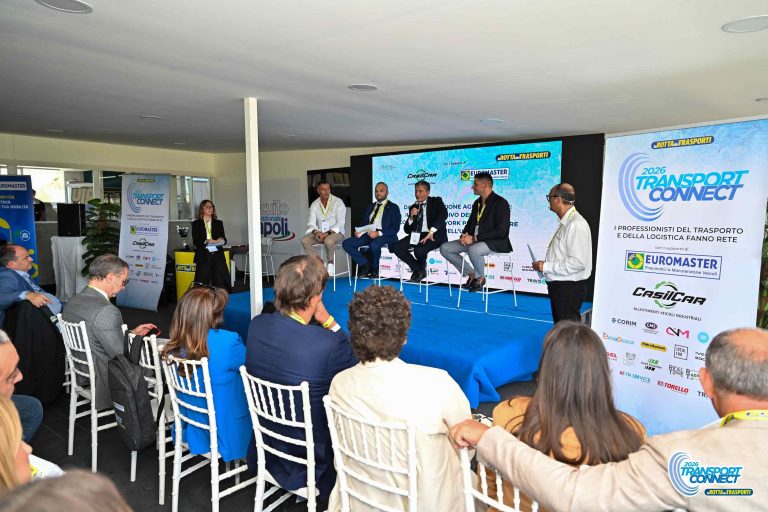
The day’s programme featured two main panel discussions. The first focused on long-haul temperature-controlled transport, while the second explored the final stage of distribution under the theme: “From Production to Store Shelves: The Crucial Role of Last-Mile Delivery. How Can Network Collaboration Improve Last-Mile Efficiency?”
Antonio Cuozzo, Director of DIF Network, took part in the second panel alongside Marco Casillo, Giuseppe Antonio D’Errico, Francesco Giffi and Marco Baldinelli.
For DIF, this topic is directly linked to its operating model: food distribution is not simply about transport capacity, but about how that capacity is organised, coordinated and integrated consistently across the entire supply chain.
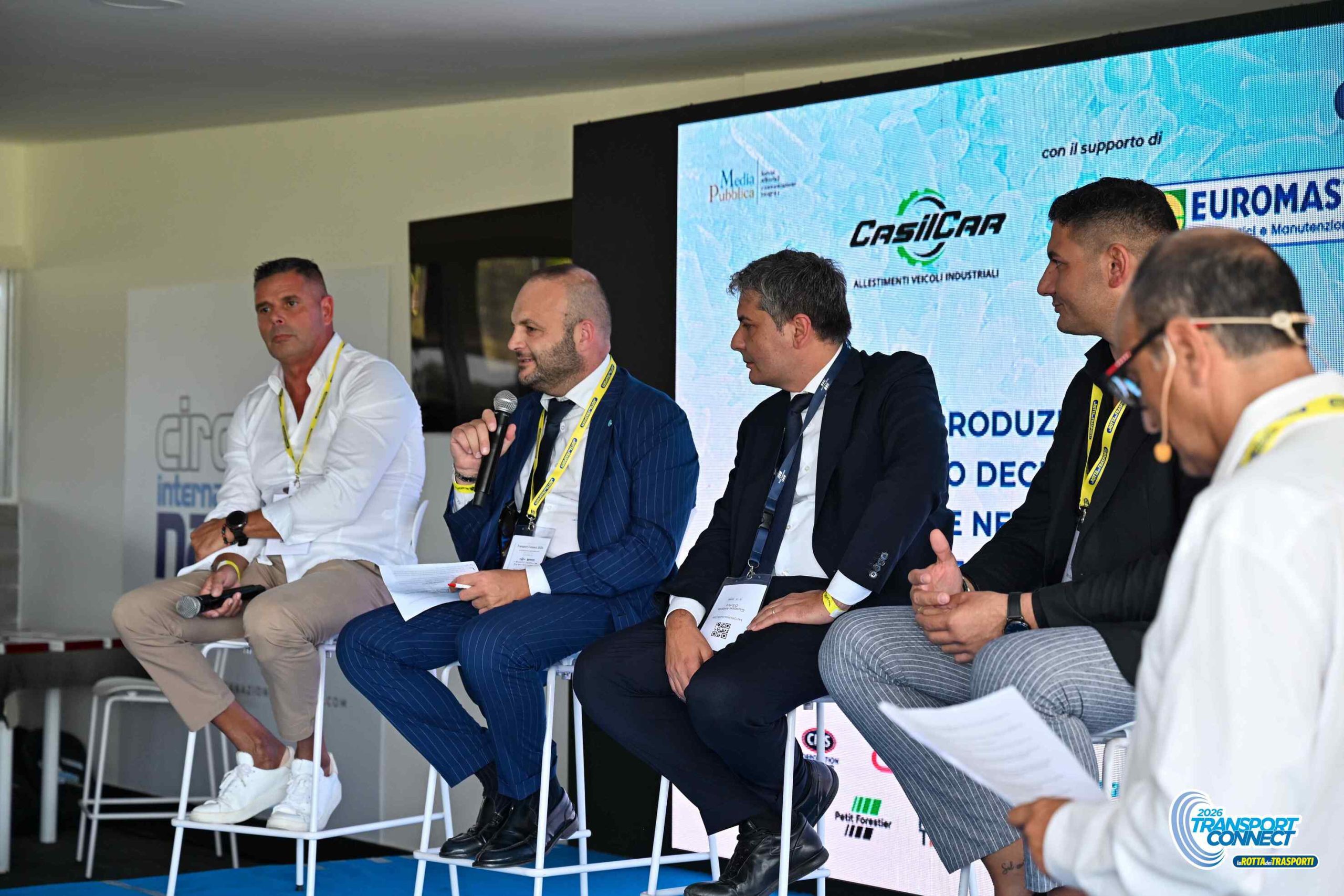
DIF's Contribution: The Strength of Local Expertise, Coordinated Through the Network
During the panel discussion, Antonio Cuozzo highlighted a fundamental principle: in the food sector, transport is not simply about moving goods from point A to point B. It is an integral part of the product’s value. If control is lost during distribution, part of the value created by the producer may be compromised.
This is the foundation of DIF’s approach to the concept of a network.
“Last-mile delivery does not become more efficient simply by putting more vehicles on the road. It becomes more efficient when we organise flows more effectively, leverage local expertise and share information and standards across the entire network.
This is where the DIF model demonstrates its value: connecting companies with in-depth knowledge of their local territories and integrating their expertise into a coordinated distribution system capable of operating on a national and European scale.”
The DIF operating model is built on this very principle.
Companies within the network retain their own identity, local knowledge and entrepreneurial independence, while operating as part of a broader system that connects hubs, transit points, logistics flows, infrastructure, information and service standards.
This is where the network creates value for both sides of the supply chain.
For food & beverage producers, it means access to a more coordinated distribution system, capable of managing products through the different stages of the supply chain, all the way to the point of sale.
For transport companies, it means leveraging their expertise, local presence and operational capabilities within a nationwide system that does not replace individual operators, but extends their reach.
This is the principle behind collaborative logistics: not replacing what already works at a local level, but connecting it more effectively.
Collaboration among supply chain stakeholders, information sharing and greater visibility across logistics flows become operational drivers for reducing fragmentation and ensuring greater continuity throughout the distribution process.
A Key Takeaway from the Discussion: Growth Means Better Coordination
For DIF, Transport Connect was above all an opportunity to exchange perspectives and compare its operating model with different experiences across the supply chain.
The key takeaway for the Network from the event in Sarno is that growth in food distribution cannot be measured solely by the number of vehicles, infrastructure assets or the size of the network. What matters increasingly is the ability to make all these elements work together effectively.
For DIF, this means continuing to strengthen the connection between national coverage and local expertise, between long-haul transport and last-mile delivery, and between physical infrastructure and information flows.
Rather than creating a network that eliminates the differences between companies, the goal is to build a system that enhances their individual strengths within a shared operational framework.
Because in food distribution, extensive geographical coverage matters. But effective coordination matters even more.
Transport Connect 2026: Relive the Highlights of the Event