Cold Chain 2030: technology, data and people at Zerogradi 2026
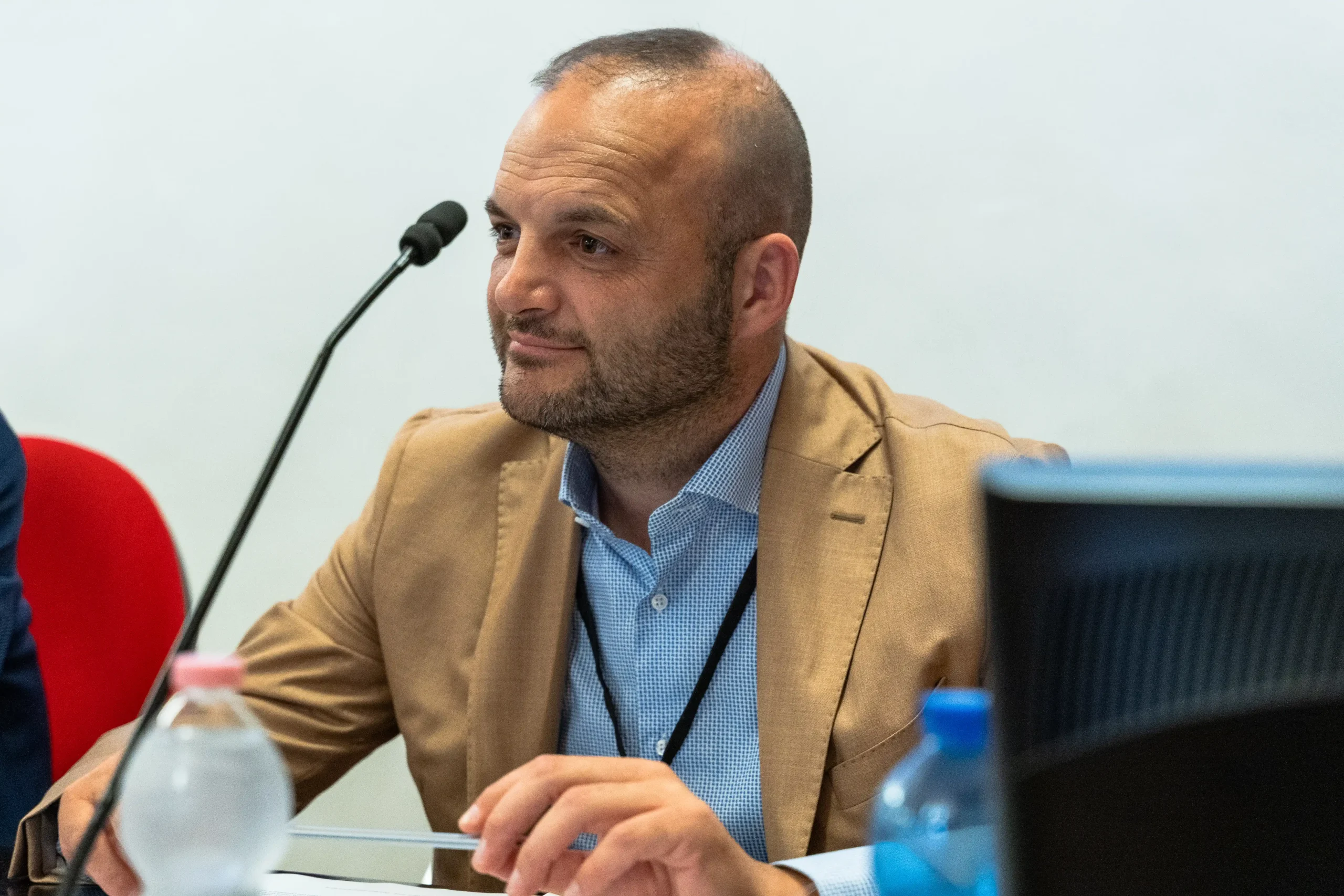
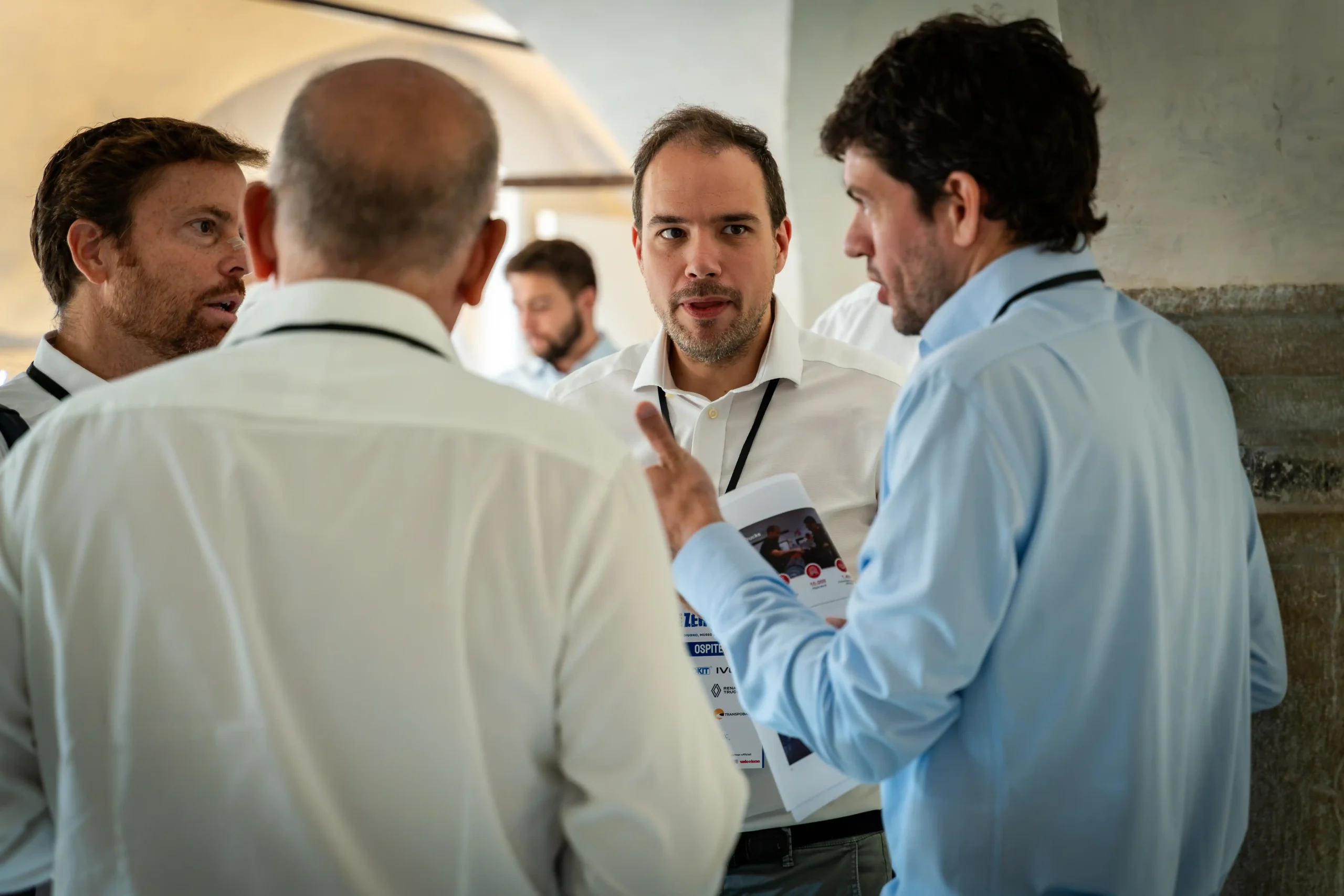
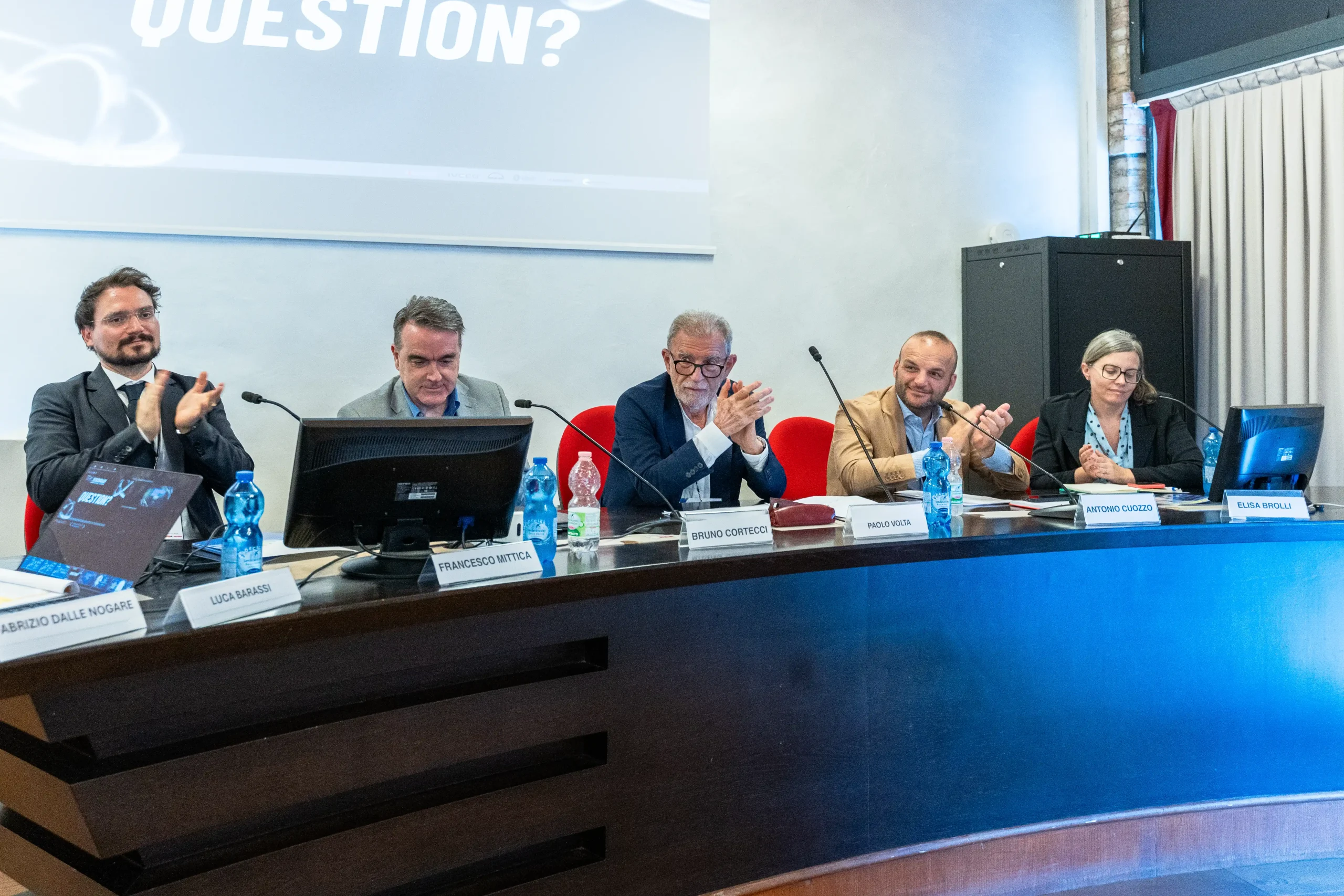
Antonio Cuozzo, Director of DIF Network, took part in the Zerogradi 2026 round table, a key event for temperature-controlled transport and the cold chain. He contributed to the discussion on risk management, technology and operational culture across the cold chain.
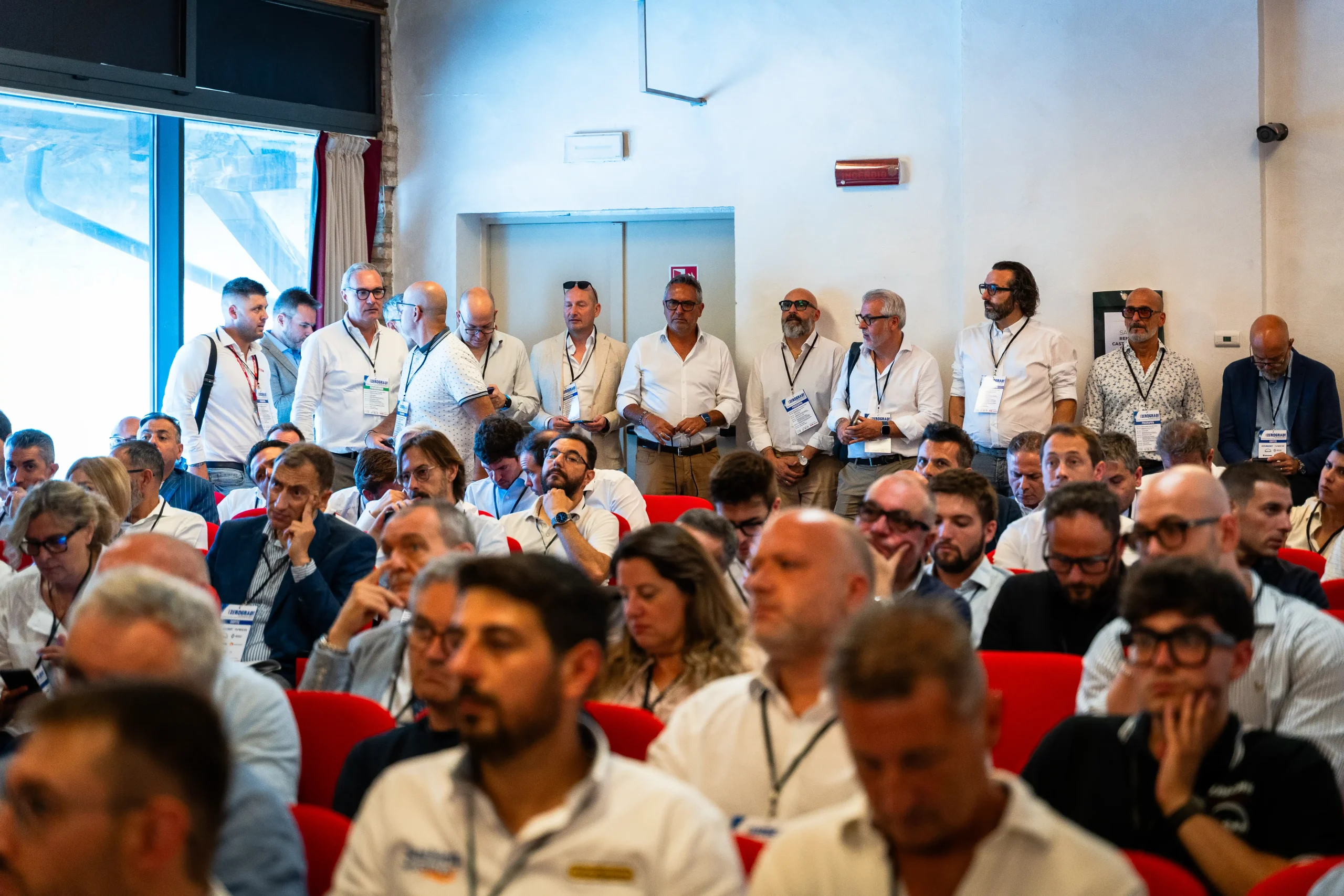
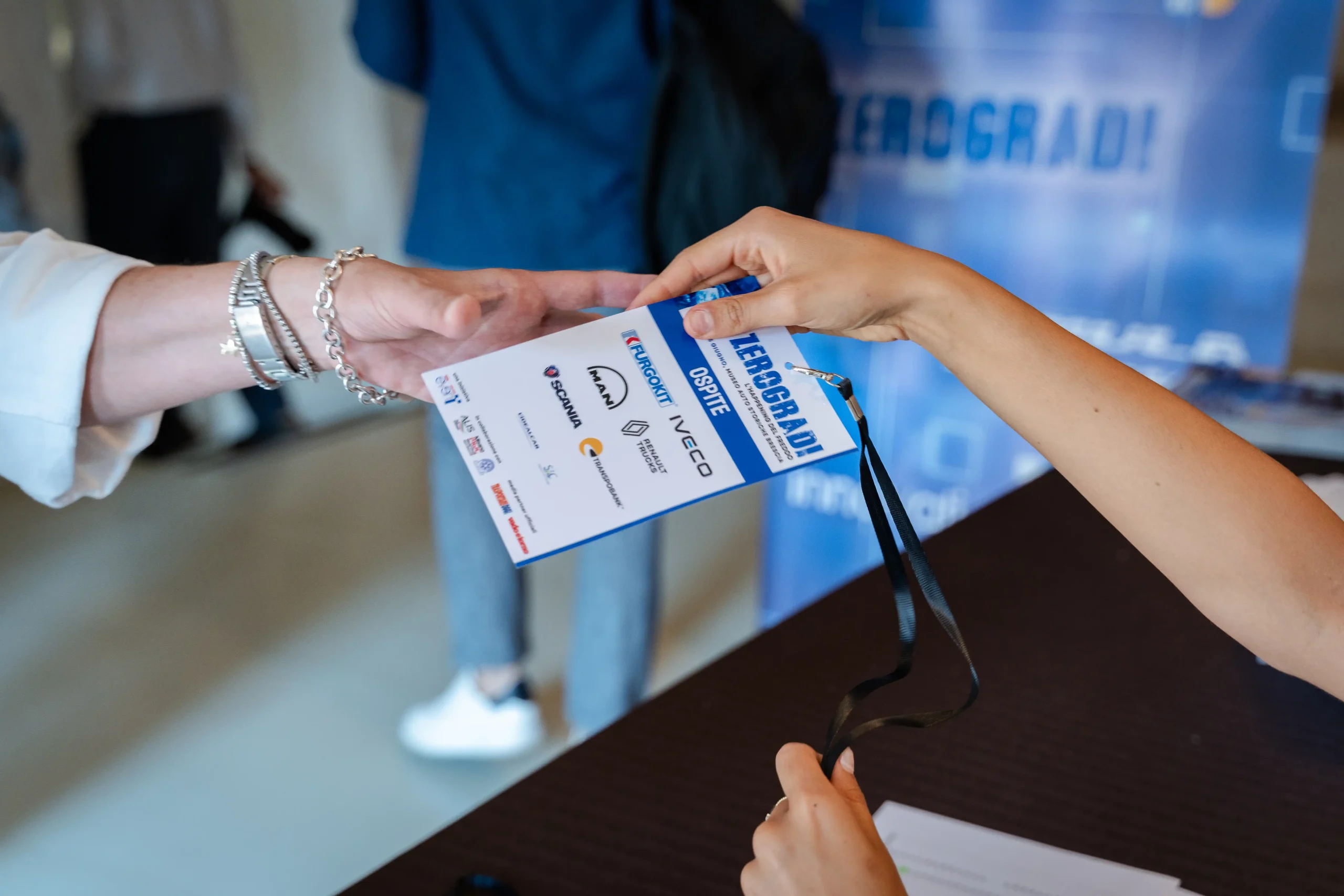
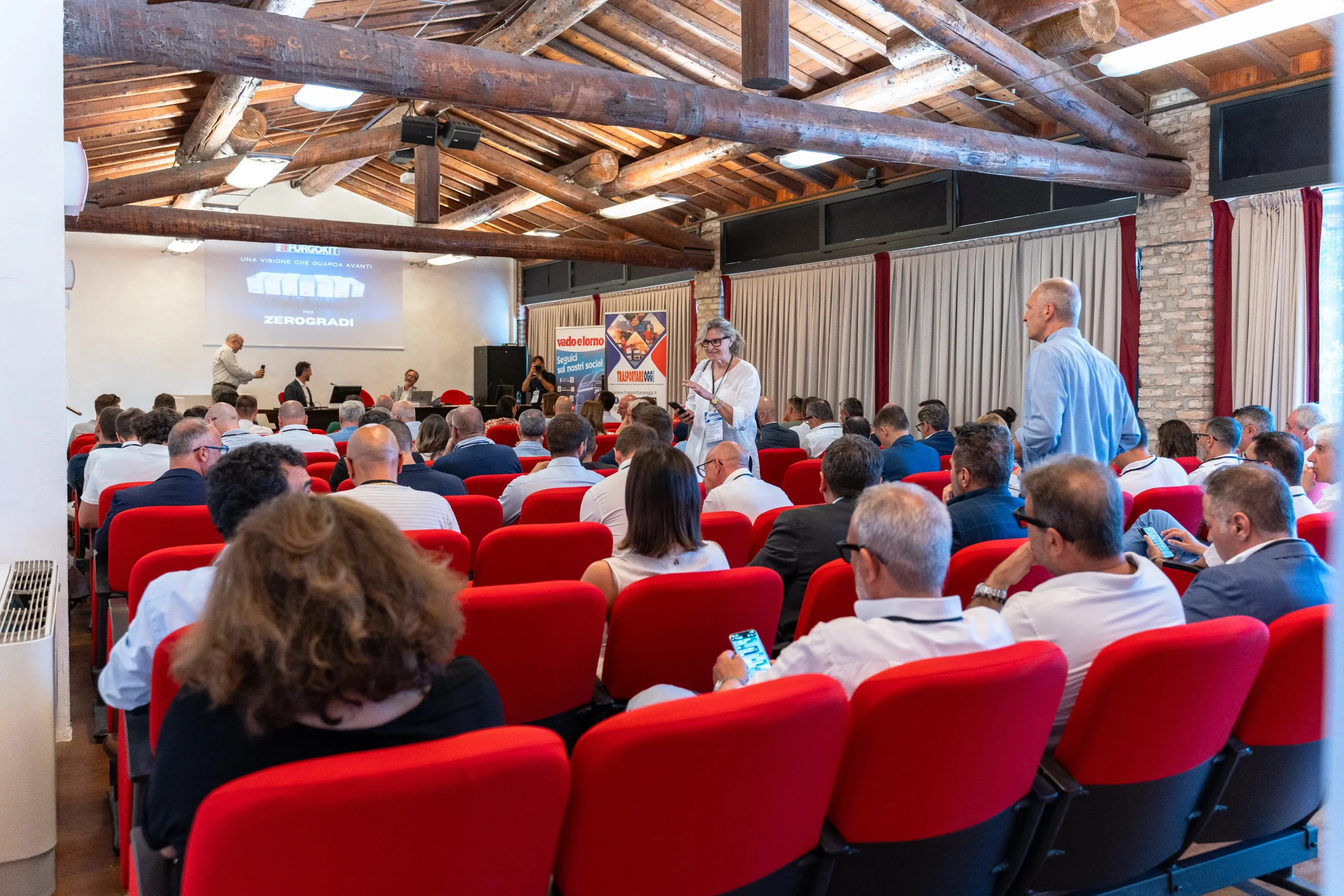
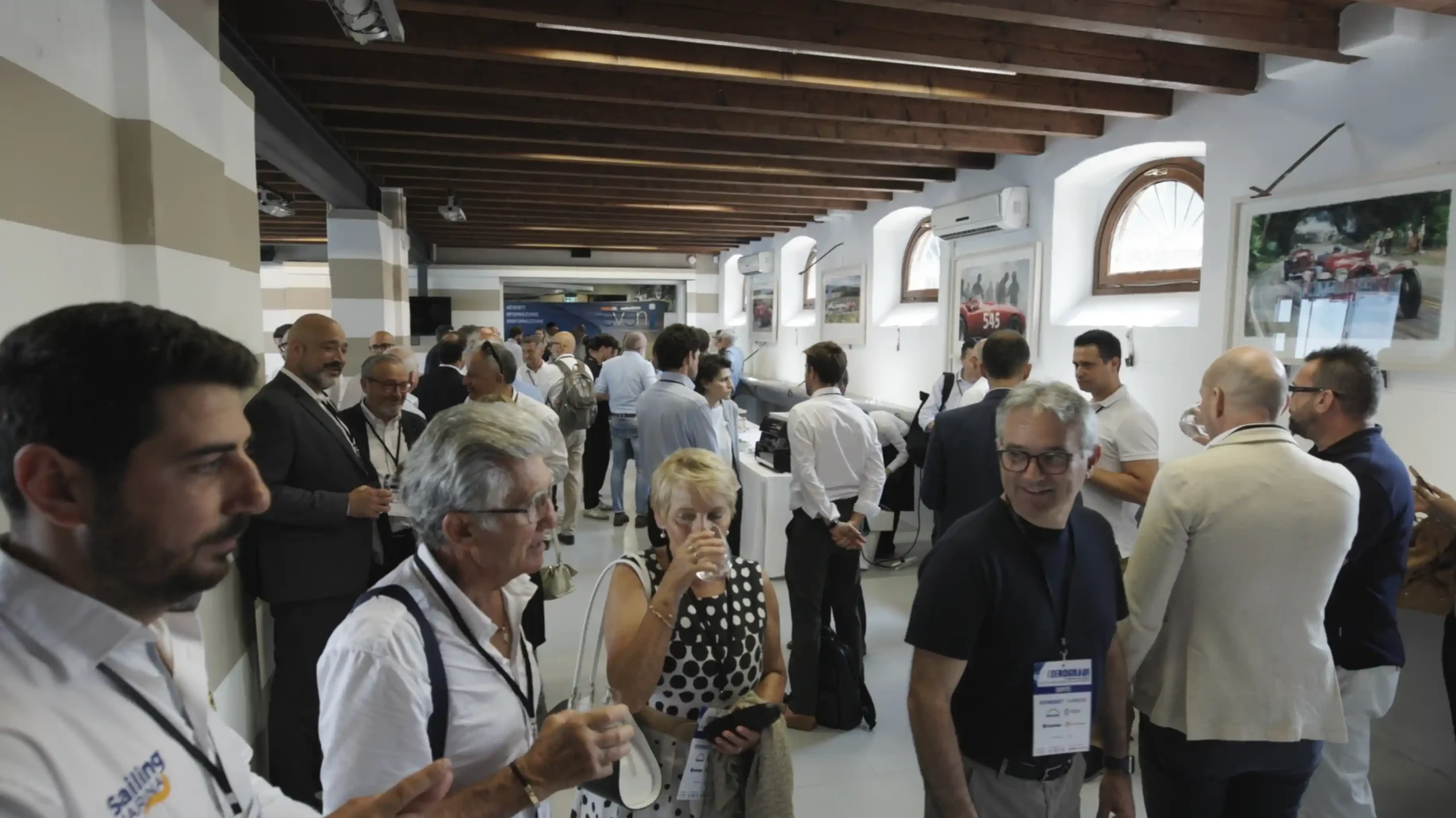
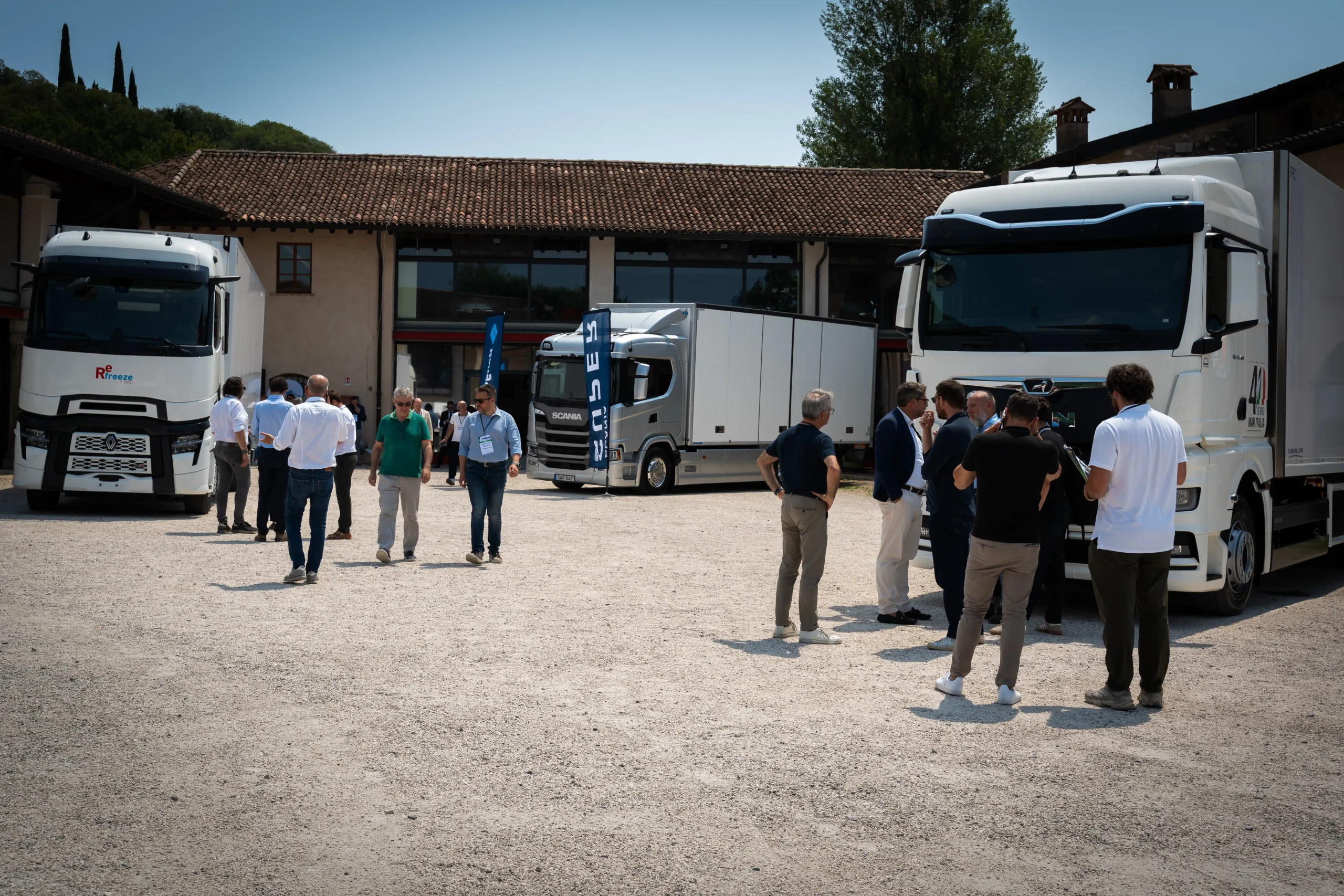
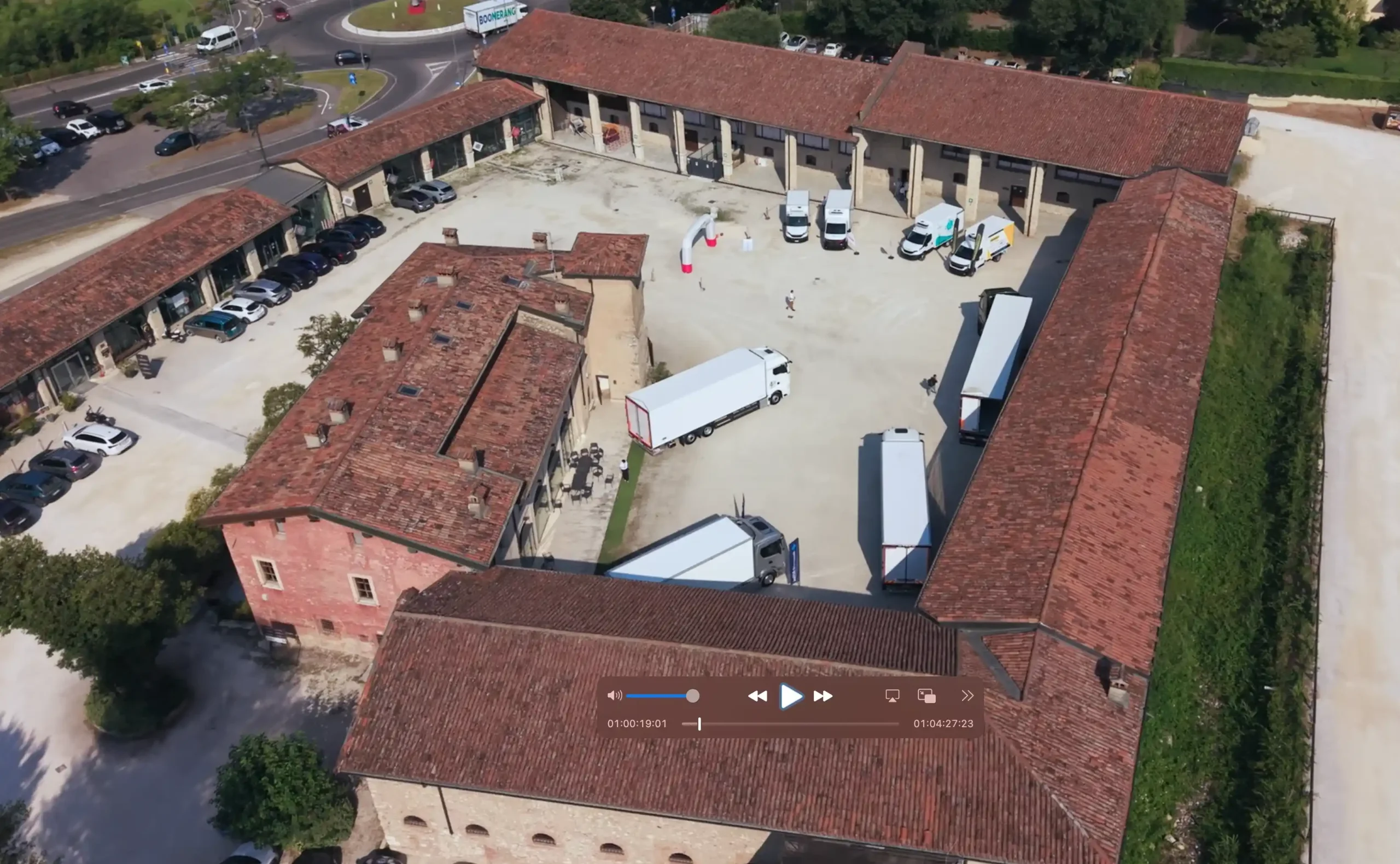
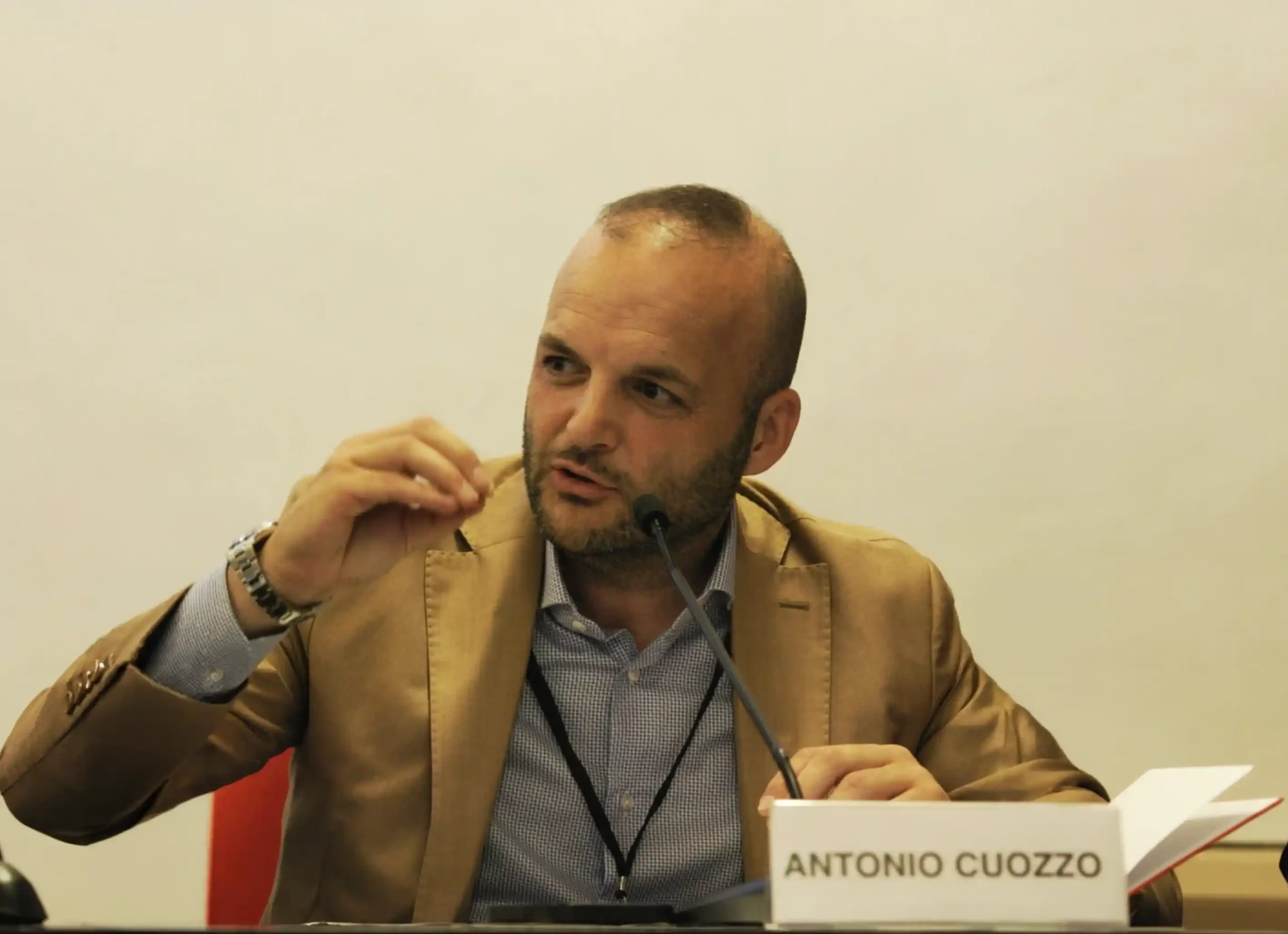
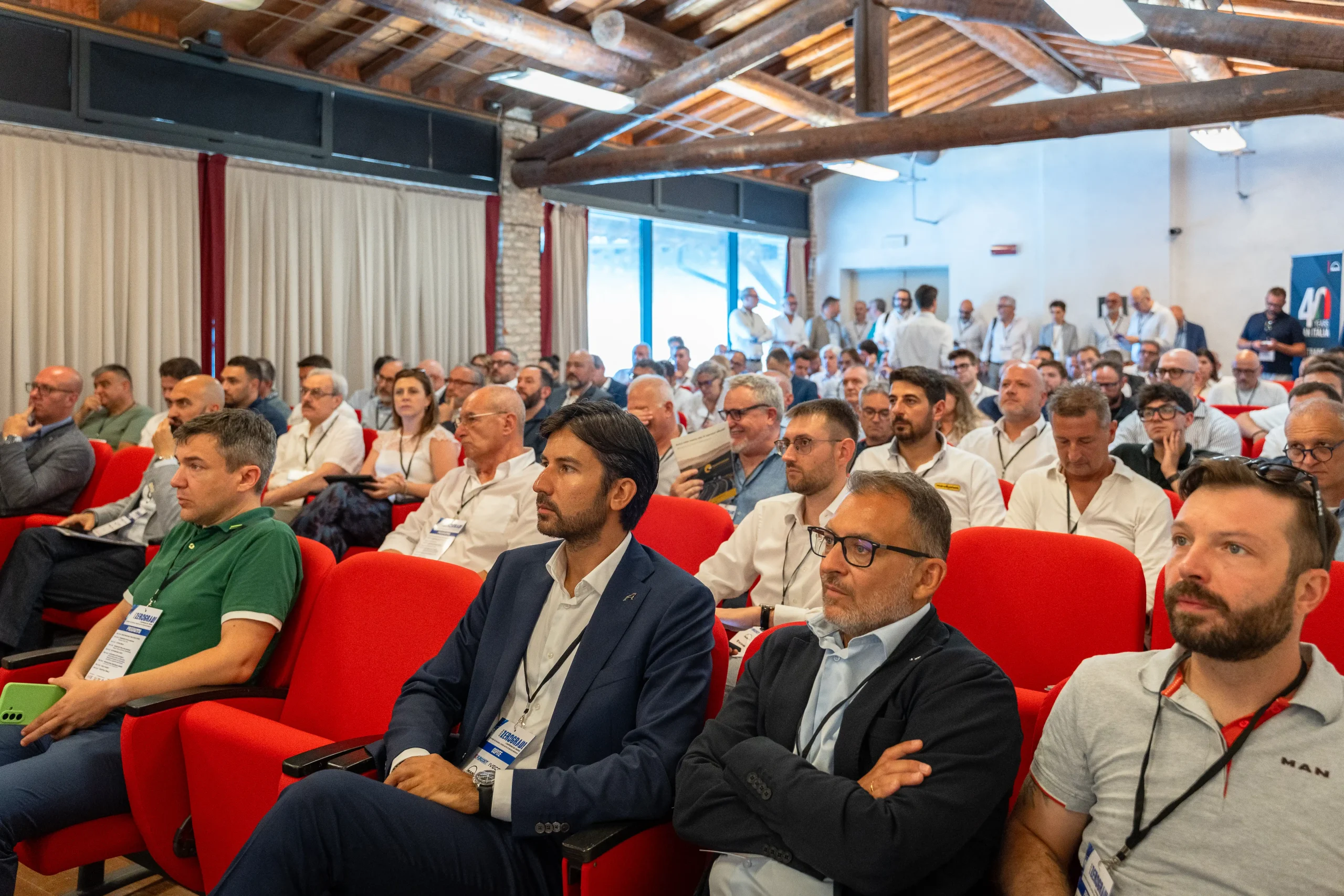
Around 200 professionals from the temperature-controlled transport sector gathered on 25 June at the Museo Auto Storiche in Brescia for Zerogradi 2026, the annual event organised by evenT and dedicated to cold logistics.
The day alternated technical discussion, presentations and networking opportunities. At the heart of the programme was the conference “Cold Chain 2030. The challenge of decarbonisation between technology, regulations and risk management.”
For the Director of DIF – Distribuzione Italiana Food, participation in the panel represented an opportunity to engage with the sector. It also made it possible to bring the perspective of those who deal every day with the operational complexity of the cold chain.
Also taking part in the panel were Elisa Brolli from DV Area, Bruno Cortecci, President of the Refrigerated Transport Section of Anfia and Francesco Mittica from Nivalis Energy Europe.
Cold Chain 2030: a sector called to manage complexity
The core of the day was the discussion on the transformations currently affecting the cold chain sector. Technological innovation, regulatory evolution, environmental sustainability, process digitalisation and risk management are now increasingly interconnected topics.
The debate started from the 14 technology trends presented by Professor Paolo Volta, educational coordinator of evenT: from blockchain ledgers to IoT sensors, from ADAS systems to black boxes, through to the automation of document flows.
These tools already exist and, in many cases, are already mature. However, the real challenge is making them work across the entire supply chain.
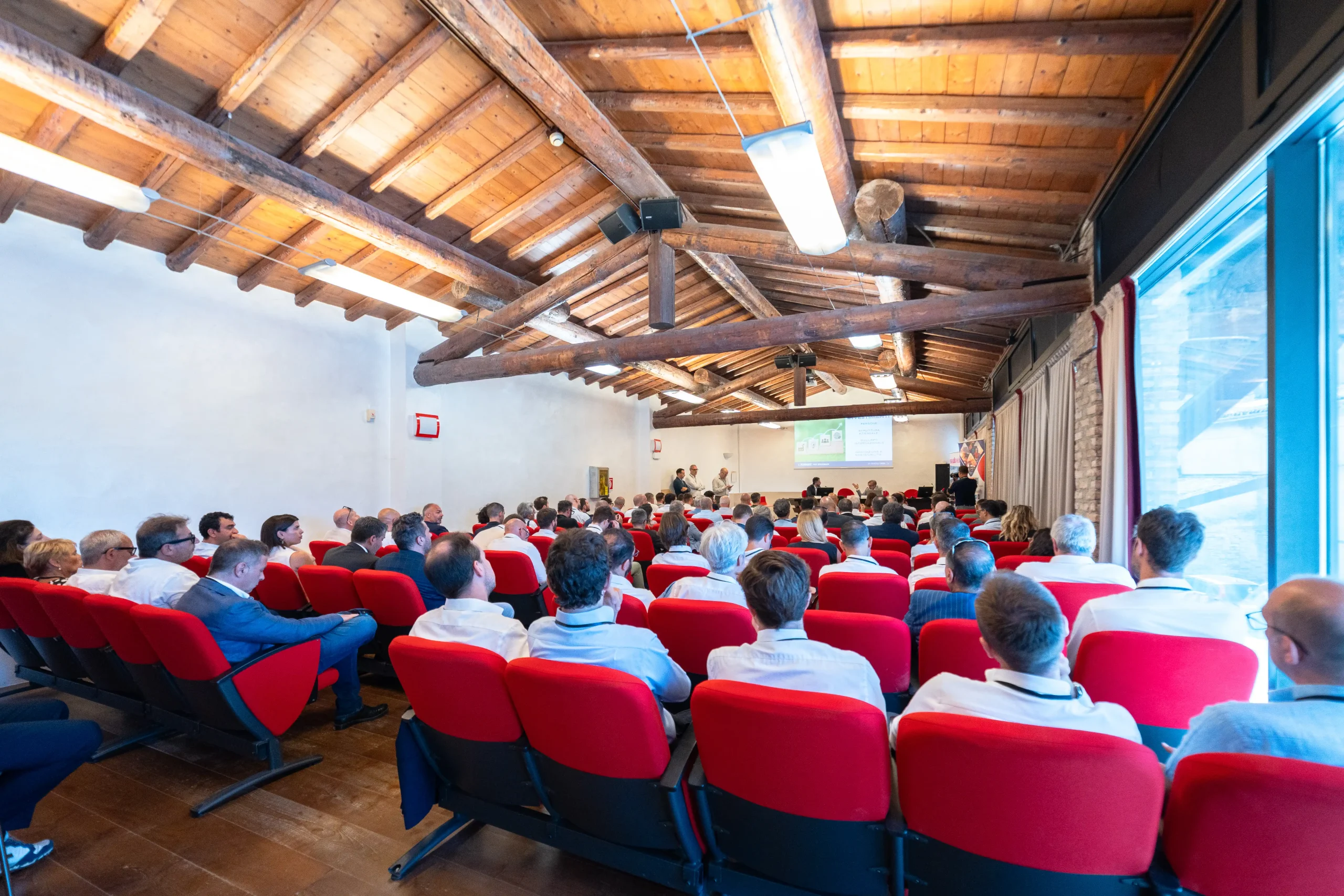
Antonio Cuozzo underlined this point with a key statement: “Technology can be of great help to companies, but it must go hand in hand with culture.”
The Italian cold chain market experiences this issue directly. On the one hand, there are structured operators capable of integrating TMS, sensors, training, compliance and operational control. On the other hand, many smaller businesses remain. For these companies, managing technological investments, documentation requirements and economic margins at the same time is a concrete challenge.
In this scenario, temperature, journey and documentation data only have value if they generate decisions. They must not remain simple numbers collected and archived.
Data becomes useful when it helps prevent anomalies, activate timely responses and improve service. This is the difference between having tools and truly having control.
This transition requires skills, method and dedicated training time.
Clients and regulations: two speeds to align
The conference clearly highlighted the heterogeneous nature of clients.
Some clients see the cold chain as a lever for quality, continuity and traceability; others still consider it mainly as a cost item. This gap affects the market’s ability to economically recognise everything behind a temperature-controlled service: auditability, anomaly management, data quality, fleet renewal, document control and operational continuity.
The same complexity also applies to the regulatory framework. The direction towards greater dematerialisation and more digital controls is clear, but the European framework does not yet translate into truly uniform practices across different countries and operational contexts.
Bruno Cortecci also recalled this point, highlighting how the ATP agreement remains not only a technical matter, but also an organisational and documentary one.
For a distribution network, this means working on shared operational standards, quality of information and people training.
Only when processes, data and skills move coherently do digital tools stop being formal requirements and become a real part of the way people work.
Towards 2030: skills, data and supply chain responsibility
Looking ahead to the coming years, the view shared by the panel is that cold logistics will continue to grow and become increasingly strategic for food and pharma.
However, it will also become a more selective sector. Transport capacity alone will not be enough. On the contrary, the ability to manage complexity will be essential.
The difference will lie in the ability to integrate network, data, people and technology. Not as separate elements, but as a single, coherent system.
Skills will be central. The cold chain can no longer be considered a purely executive field: it requires professionals capable of reading processes, data, regulations, risks and impacts on product quality.
In this sense, technical training and logistics culture become decisive levers to make the sector’s evolution sustainable.
At the end of the conference, the jury awarded the Zerogradi Award 2026 to SV Noleggio, for its commitment to the fleet’s energy transition and to driver-assistance systems supporting driver safety.
Days such as Zerogradi confirm an increasingly clear conviction for the entire supply chain: in temperature-controlled logistics, competitive advantage does not come from a single tool, but from the ability to make technology, processes and people work together as one system.
That is where risks are reduced, service quality increases and sustainable growth is built for the entire Italian cold chain.
For DIF, this vision is consistent with its network model: food & beverage distribution, shared standards, territorial presence, operational control and constant attention to product protection.
DIF – Distribuzione Italiana Food
Protecting the product. Protecting those who consume it.